Every organization relies on documents. Contracts, invoices, employee records, customer files, purchase orders, and compliance documents are essential to daily operations. Yet many businesses still depend on paper files, shared folders, and manual filing systems that make information difficult to manage.
Digitizing business documents is more than scanning paper into PDF files. It is about transforming information into searchable, structured, and connected business data that supports faster decision-making and more efficient operations.
Start by Understanding Your Documents
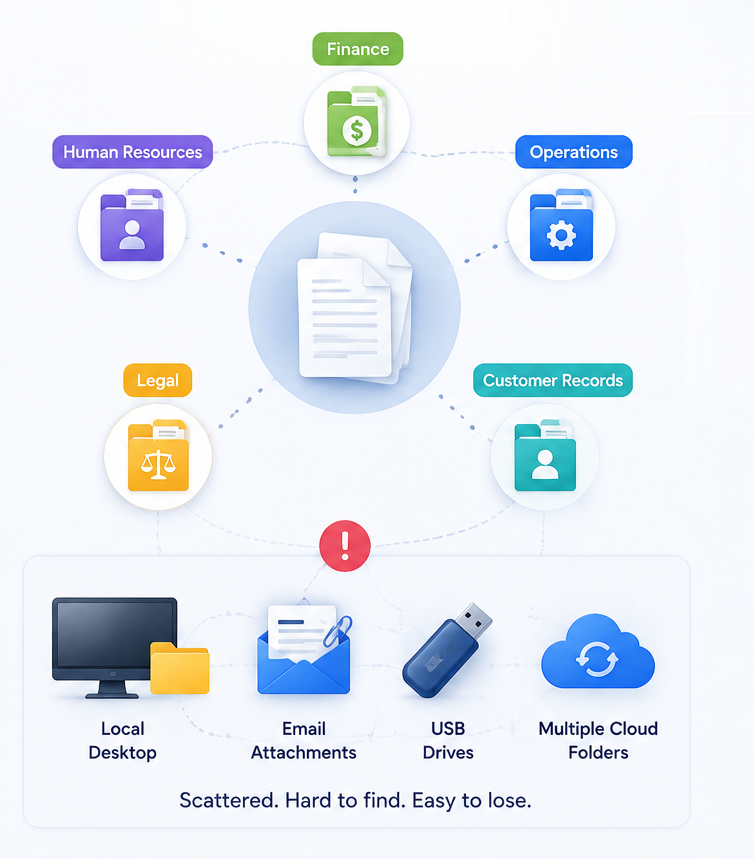
Before moving files into a digital system, identify the types of documents your organization manages and who uses them. Group them into categories such as finance, human resources, operations, legal, or customer records. A clear document structure makes future organization much easier.
Centralize Your Repository
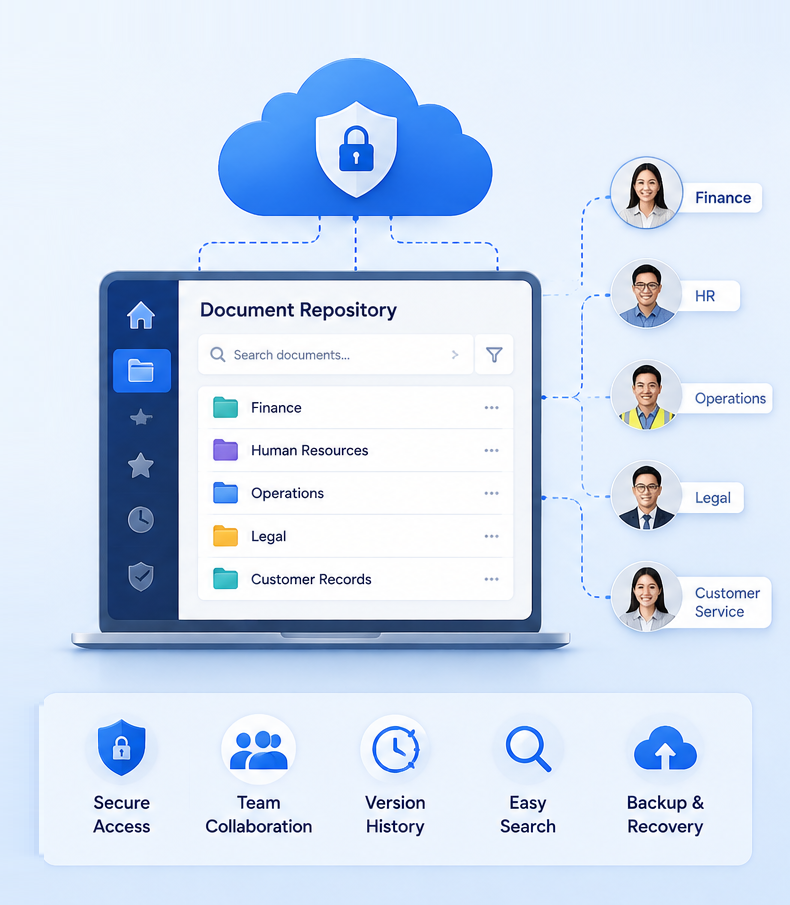
Storing files across desktops, email attachments, USB drives, and multiple cloud folders creates confusion and duplicate information. A centralized document repository ensures everyone works from the same source of truth while making access easier and more secure.
Capture Metadata
A document should be more than just a filename. Instead of relying on folders alone, attach meaningful information such as customer names, invoice numbers, project references, document types, and dates. Metadata allows users to locate documents instantly using search instead of browsing through folders.
Make Documents Searchable
The true value of digital documents lies in accessibility. Employees should be able to search using keywords, document properties, or even natural language instead of remembering where files were stored.
This dramatically reduces the time spent looking for information and helps teams respond faster to customers and internal requests.
Protect Information
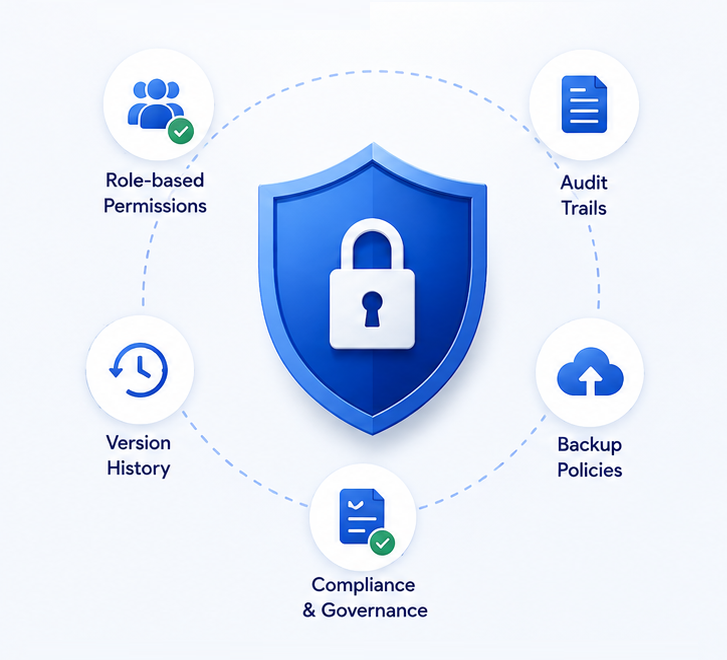
Digitization also improves security. Role-based permissions, audit trails, version history, and backup policies help organizations maintain compliance while protecting sensitive information from unauthorized access or accidental loss.
Ultimately, a secure document management system provides peace of mind—ensuring the right people have access to the right information at the right time, while keeping confidential data protected from unauthorized access or accidental loss.
Building a Smarter Workplace
Digitizing documents is not simply a technology upgrade—it is a business transformation. When information becomes structured, searchable, and connected to workflows, organizations become faster, more collaborative, and better prepared for future growth.
The journey toward a paperless workplace begins with one document, but the benefits extend across the entire organization.